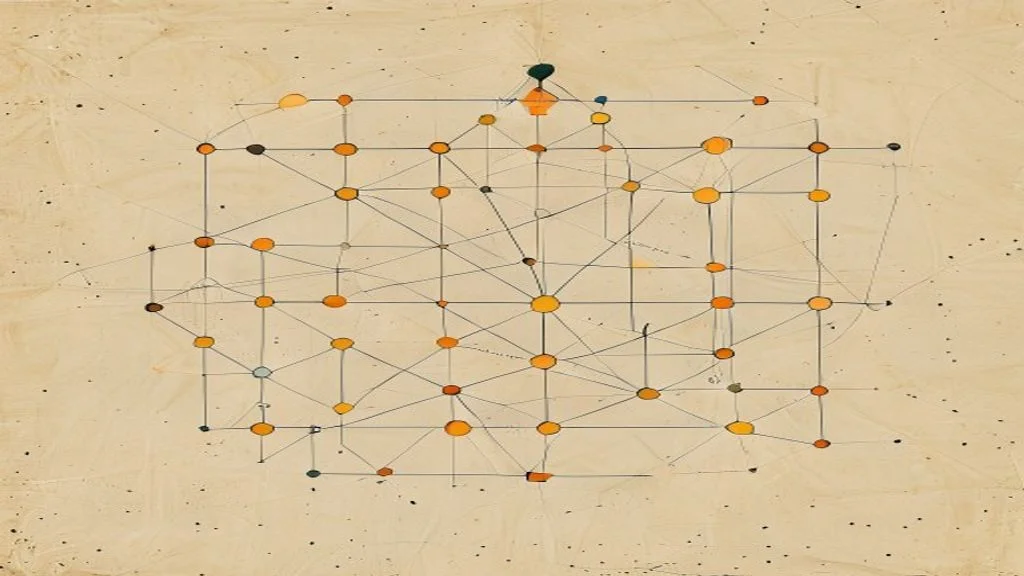
Rule one: every leaf has at least three outbound internal links
Two to peer leaves, one to a spine piece, all rendered in the body and in a related-pages section at the foot of the leaf. The relatedLeafSlugs and relatedSpineLinks fields on the MyPhotoSlug type carry the data; the validator throws if either count drops below the minimum. The reason for the floor: Google's quality rater guidelines penalize doorway pages and orphan pages, and a leaf with fewer than three outbound internal links reads as both to a crawler. Three is the floor; five is comfortable.
Rule two: every leaf anchors to the spine
The spine is the editorial backbone: overview, architecture, slug-strategy, image-pipeline, sitemap-automation, results. Every leaf links to at least one spine piece, and the spine pieces link back to representative leaves. This produces a hub-and-spoke graph rather than a flat mesh, which concentrates PageRank flow at the spine pieces; those then absorb the queries with higher informational intent. We have observed the spine pieces accumulate three to four times the per-page impressions of the leaves on the agents.alkenacode.dev surface within sixty days of launch.
What we do not do
We do not auto-generate body-text links by token matching. Auto-link insertion produces brittle anchors and reads as templated content to a reader and to a quality rater. Every body-text link is intentional, authored alongside the surrounding paragraph. The related-pages section at the foot is the templated layer; the in-body links are not. This split keeps the editorial integrity of the body while still delivering the link-graph density that the surface needs.